logo

IPON Research Network

Impact Story

IPON in 2025: a recap

We wanted to take a moment to look back at what 2025 meant for The Indigenous People Observatory Network.

Andrea Valdivia-Gago

Last year was demanding but also very rewarding. We spent a lot of time meeting, working, writing, and thinking together, while continuing to do this work with Indigenous Peoples, learning directly from their knowledge, experiences, and everyday realities.

Some moments that shaped our year:
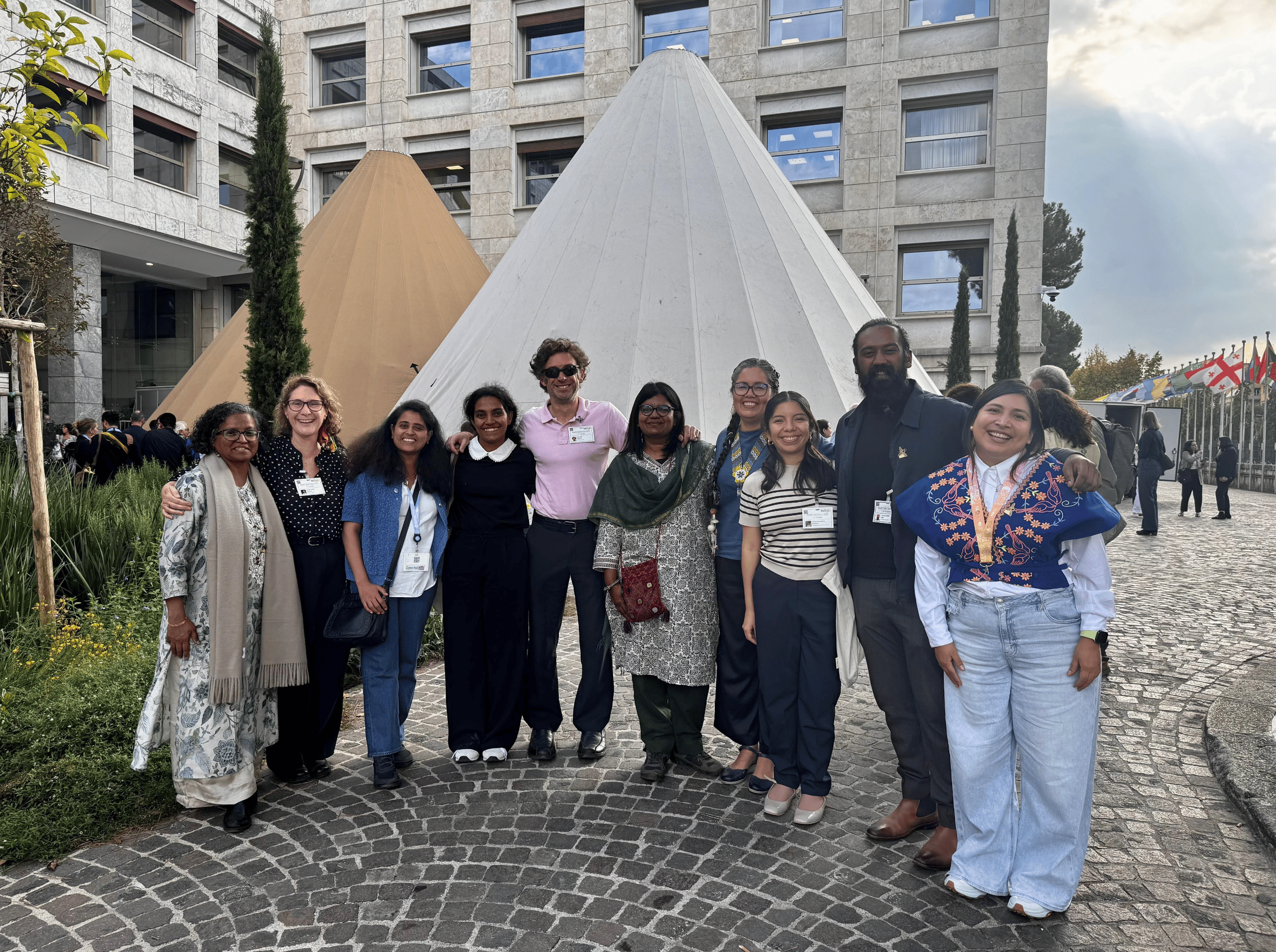
    10 IPON members took part in the FAO Global Hub meeting of experts in Rome, contributing to global conversations on food systems, health, and Indigenous Peoples.
    10 IPON members took part in the FAO Global Hub meeting of experts in Rome, contributing to global conversations on food systems, health, and Indigenous Peoples.
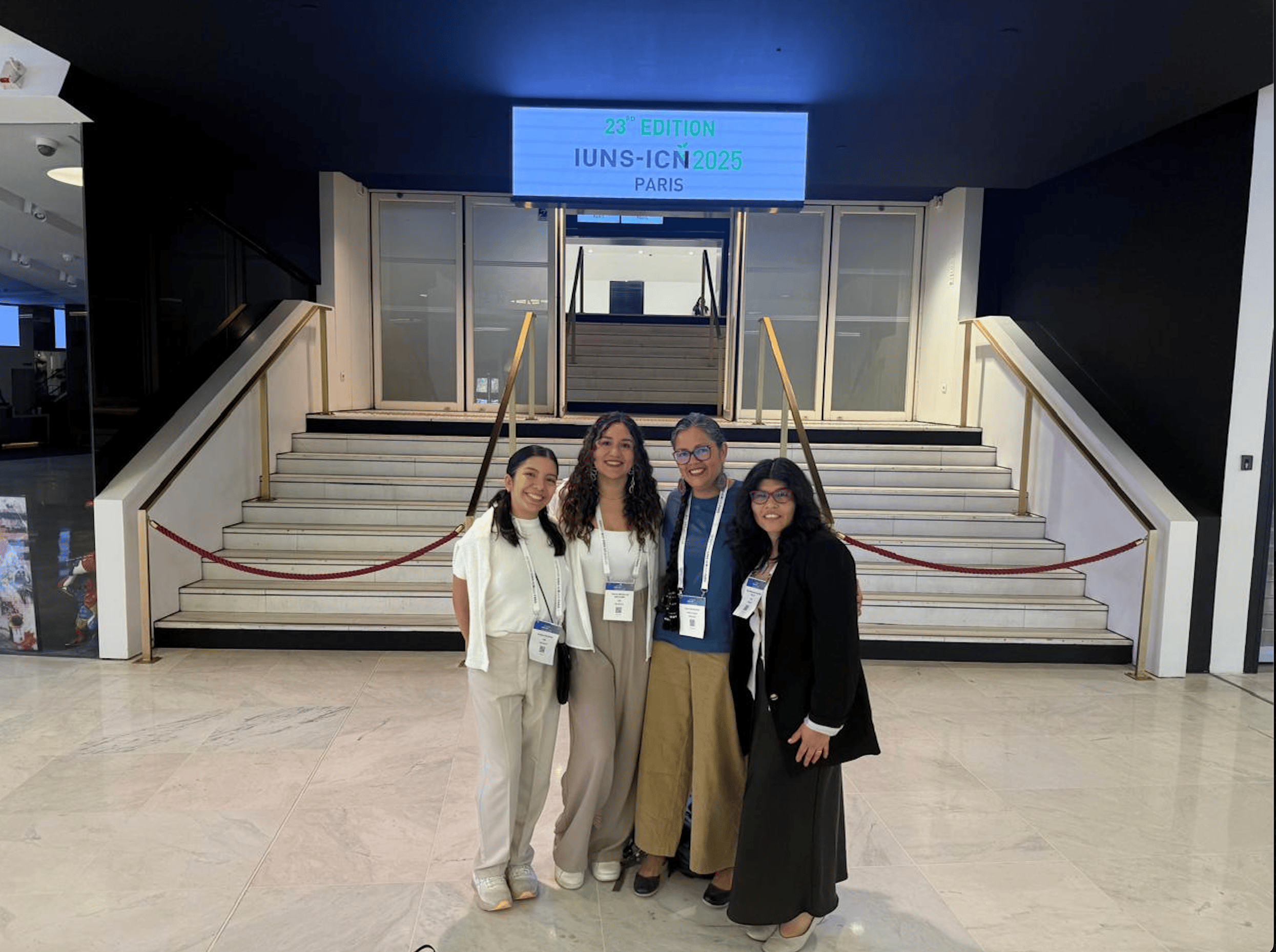
    A delegation participated in the International Congress on Nutrition in Paris, presenting on the impacts of climate change on food systems and health in Indigenous contexts.
    A delegation participated in the International Congress on Nutrition in Paris, presenting on the impacts of climate change on food systems and health in Indigenous contexts.
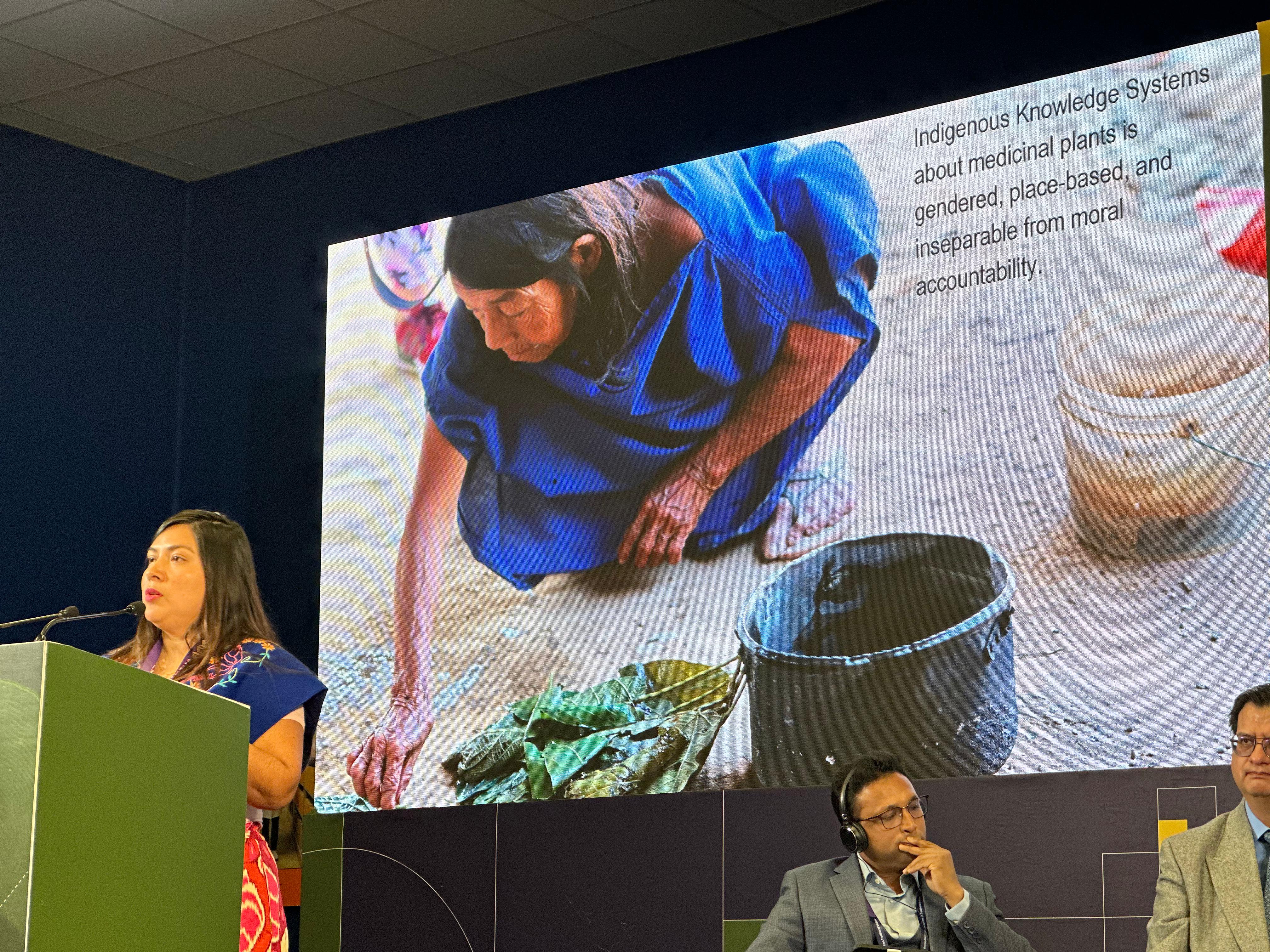
    We participated in a panel on ethics in traditional medicine at the WHO II Summit in New Delhi.
    We participated in a panel on ethics in traditional medicine at the WHO II Summit in New Delhi.
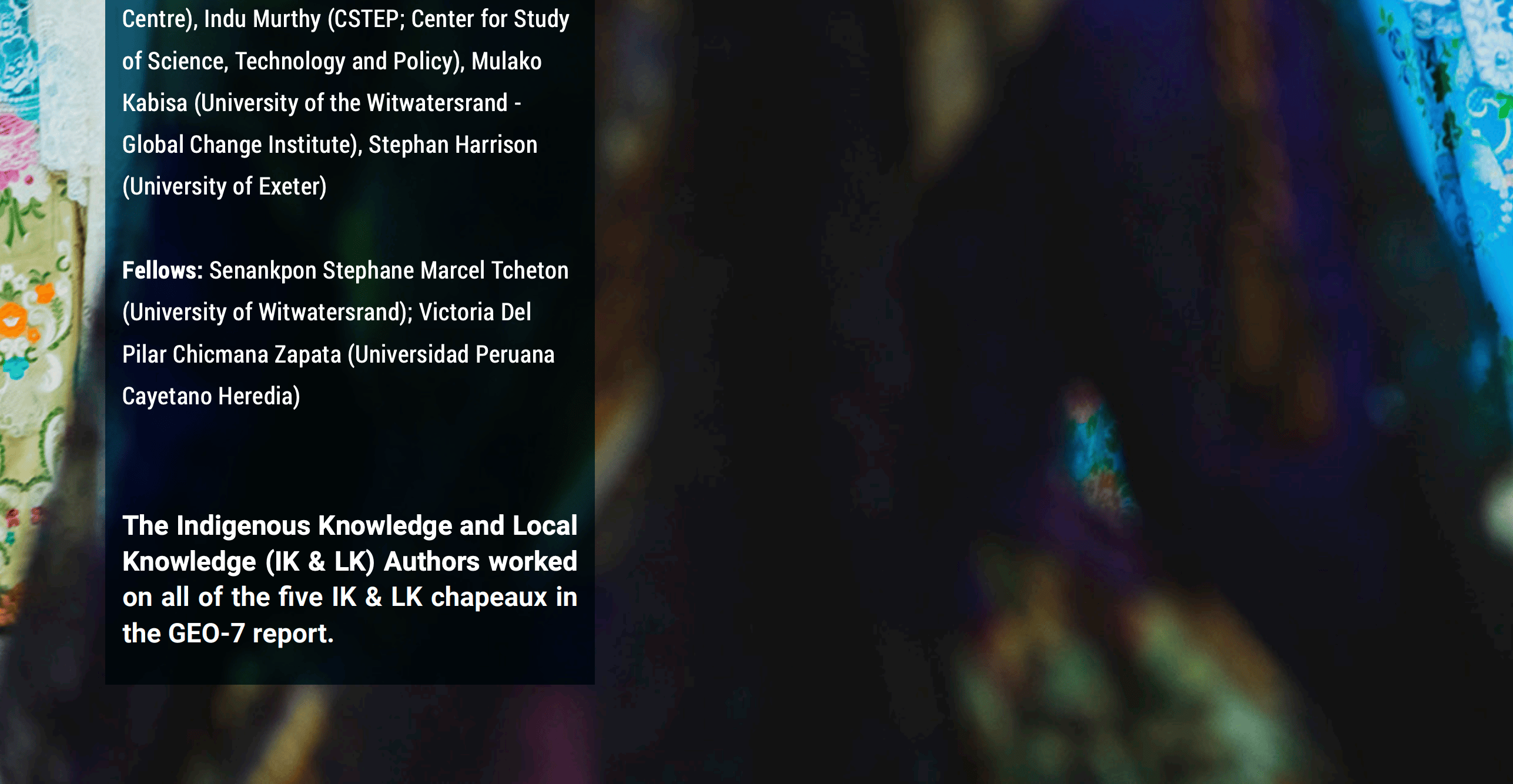
    4 IPON members contributed to the new Global Environment Outlook (GEO-7), entitled A future we choose, helping bring Indigenous perspectives into policy discussions.
    4 IPON members contributed to the new Global Environment Outlook (GEO-7), entitled A future we choose, helping bring Indigenous perspectives into policy discussions.
    And perhaps most importantly, we established 10 Indigenous Peoples Observatories to document how climate change, food systems, and health intersect in Indigenous territories. [Picture: IPON in Kiribati Islands]
    And perhaps most importantly, we established 10 Indigenous Peoples Observatories to document how climate change, food systems, and health intersect in Indigenous territories. [Picture: IPON in Kiribati Islands]
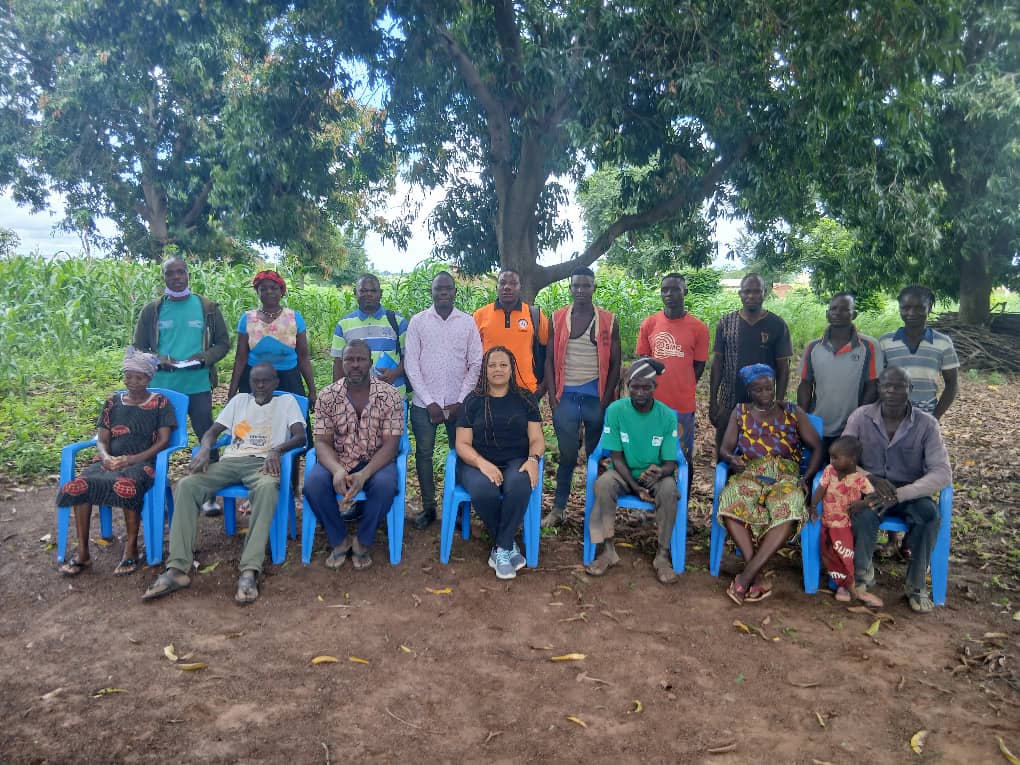
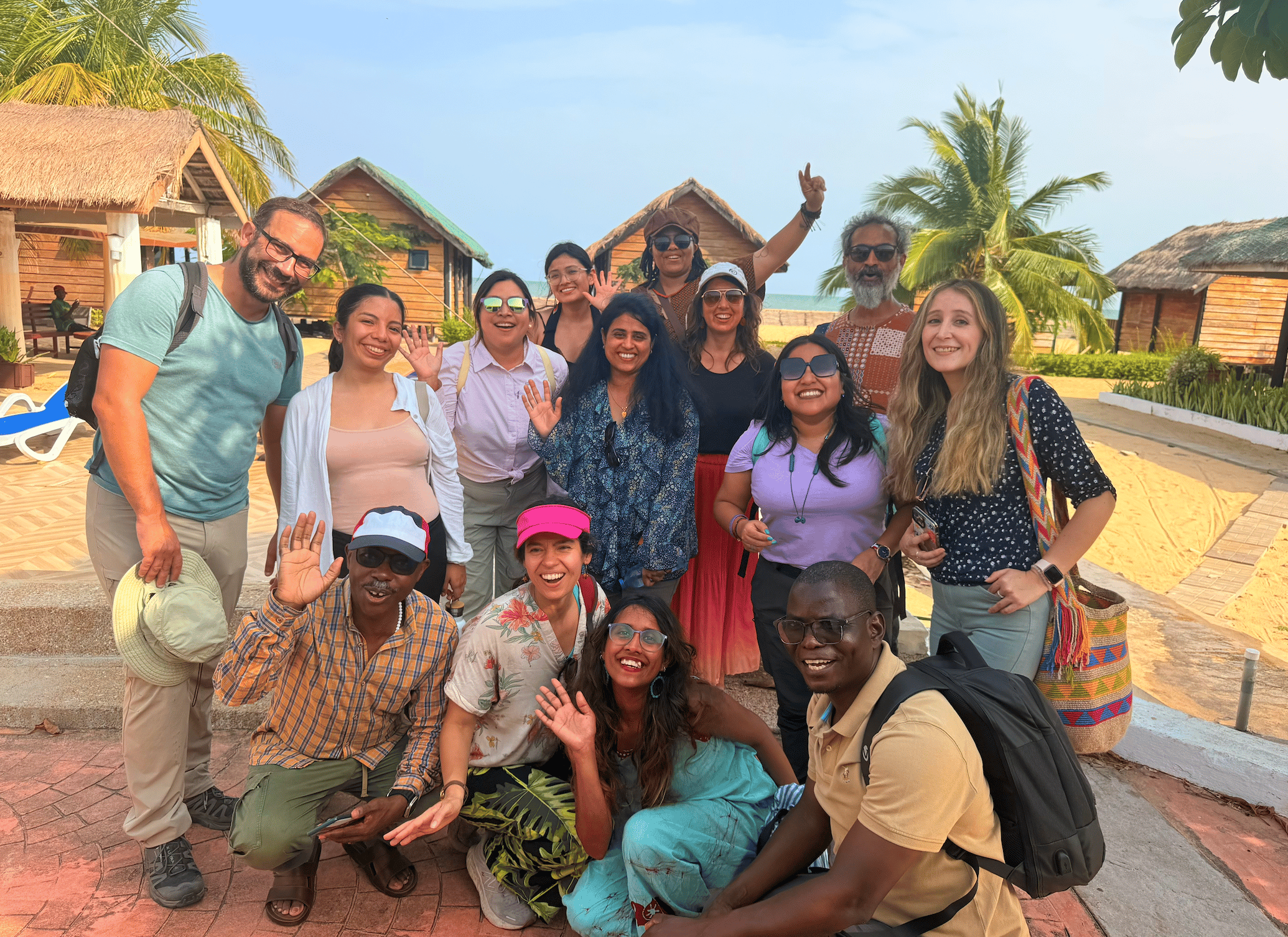
    IPON Observatory in Ghana
    IPON Observatory in Ghana
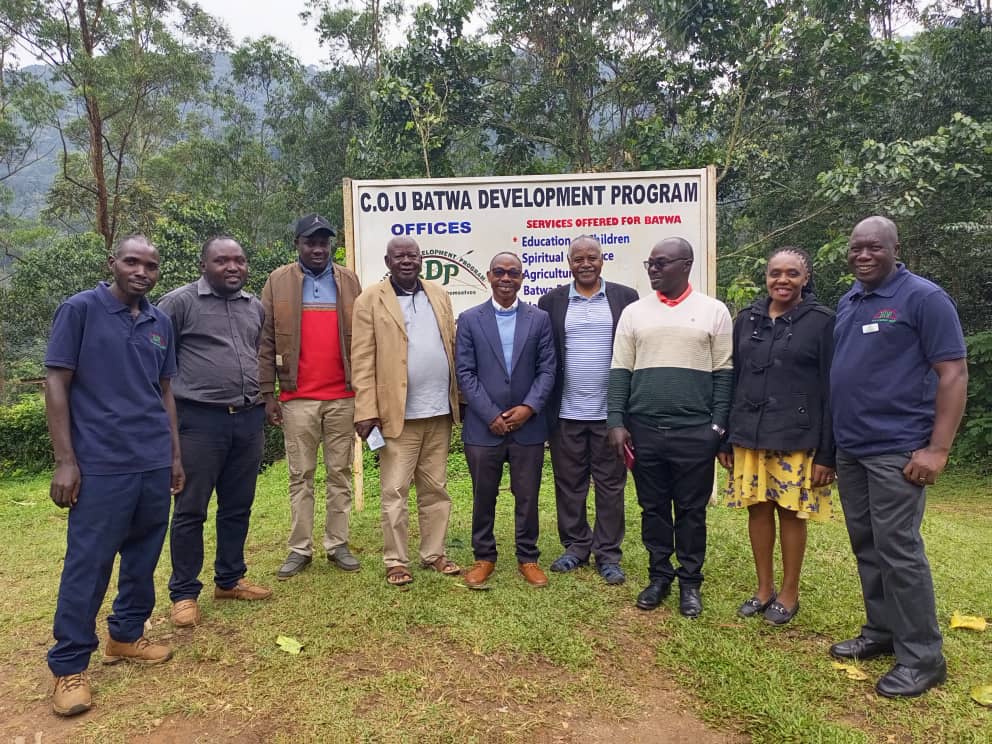
    Field activities in the IPON observatory in Uganda
    Field activities in the IPON observatory in Uganda
    Indigenous communities participating in a workshop in Peru [IPON observatory in Peru]
    Indigenous communities participating in a workshop in Peru [IPON observatory in Peru]